
iptv encoder box technology stands at the forefront of modern digital broadcasting, transforming how content is delivered and consumed. In 2026, understanding the nuances of an iptv encoder box is more crucial than ever for broadcasters, content creators, and even advanced home users looking to distribute their media seamlessly. This comprehensive guide will delve deep into what an iptv encoder box is, its core functionalities, the various types available, and how to choose the best one for your specific needs.
Table of ContentsUnderstanding the Core Functionality of an IPTV Encoder BoxKey Features to Look for in Your IPTV Encoder Box in 2026Types of IPTV Encoder Box Solutions AvailableSetting Up Your IPTV Encoder Box for Optimal PerformanceAdvanced Applications and Future Trends for IPTV Encoder Box Technology in 2026Choosing the Right IPTV Encoder Box for Your NeedsFAQ SectionRelated IPTV Services
Understanding the Core Functionality of an IPTV Encoder Box
An IPTV encoder box is essentially a device that takes an audio-visual input (like HDMI, SDI, or composite video) and converts it into a digital stream suitable for transmission over an IP network. This process, known as encoding, compresses the raw video and audio data into a more manageable format, making it efficient for internet delivery. Without a robust IPTV encoder box, high-quality, real-time video streaming as we know it would be impossible.
The magic behind an IPTV encoder box lies in its ability to perform real-time compression using codecs like H.264 (AVC) or the more efficient H.265 (HEVC). These codecs significantly reduce file size while maintaining excellent video quality. This is vital for delivering smooth, buffer-free experiences, especially when dealing with high-definition or even 4K content. The encoder also encapsulates this compressed data into transport streams (like MPEG-TS) or other streaming protocols (like RTMP, HLS, or SRT) that IPTV platforms and devices can readily understand.
Beyond simple encoding, many modern IPTV encoder box units offer advanced features such as multiple stream outputs, adaptive bitrate streaming (ABR), and built-in transcode capabilities. ABR allows the encoder to generate several versions of the same stream at different bitrates and resolutions. This enables playback devices to automatically switch to the most appropriate stream based on the user’s internet connection speed, ensuring optimal viewing quality under varying network conditions. This adaptability is key to a superior user experience.
The importance of a reliable IPTV encoder box cannot be overstated in today’s media landscape. From live sports broadcasts to corporate training and educational content, the ability to efficiently convert and stream high-quality video is paramount. As technology evolves, so too do the capabilities of these essential devices, making them more powerful and versatile than ever before.
Key Features to Look for in Your IPTV Encoder Box in 2026
When selecting an IPTV encoder box in 2026, several features stand out as critical for optimal performance and future-proofing. First and foremost, consider the supported input types. Do you need HDMI for consumer devices, SDI for professional broadcast cameras, or analog inputs for legacy equipment? A versatile encoder will offer multiple input options to accommodate various sources.
Codec support is another non-negotiable feature. While H.264 remains widely used, H.265 (HEVC) offers superior compression efficiency, delivering the same quality at half the bitrate or better quality at the same bitrate. For 4K content, HEVC is almost a necessity. Look for an IPTV encoder box that supports both, allowing flexibility for different streaming scenarios and target devices. Advanced units might also support AV1, an emerging open-source codec known for even greater efficiency.
Network protocols are equally important. Ensure the IPTV encoder box supports the protocols required by your distribution platform. Common protocols include RTMP (for pushing to social media and CDNs), HLS (for adaptive streaming to web and mobile devices), SRT (for secure, reliable transport over unreliable networks), and UDP/RTP (for local network distribution). The more protocols supported, the more versatile your setup will be. For more details on supported devices, visit our devices page.
Scalability and management features are also crucial, especially for larger deployments. Look for an IPTV encoder box with a robust web-based interface for easy configuration and monitoring. Features like remote management, API access for integration with other systems, and the ability to manage multiple encoders from a central console can significantly streamline operations. Consider redundancy options like dual power supplies or network interfaces for mission-critical applications.
Types of IPTV Encoder Box Solutions Available
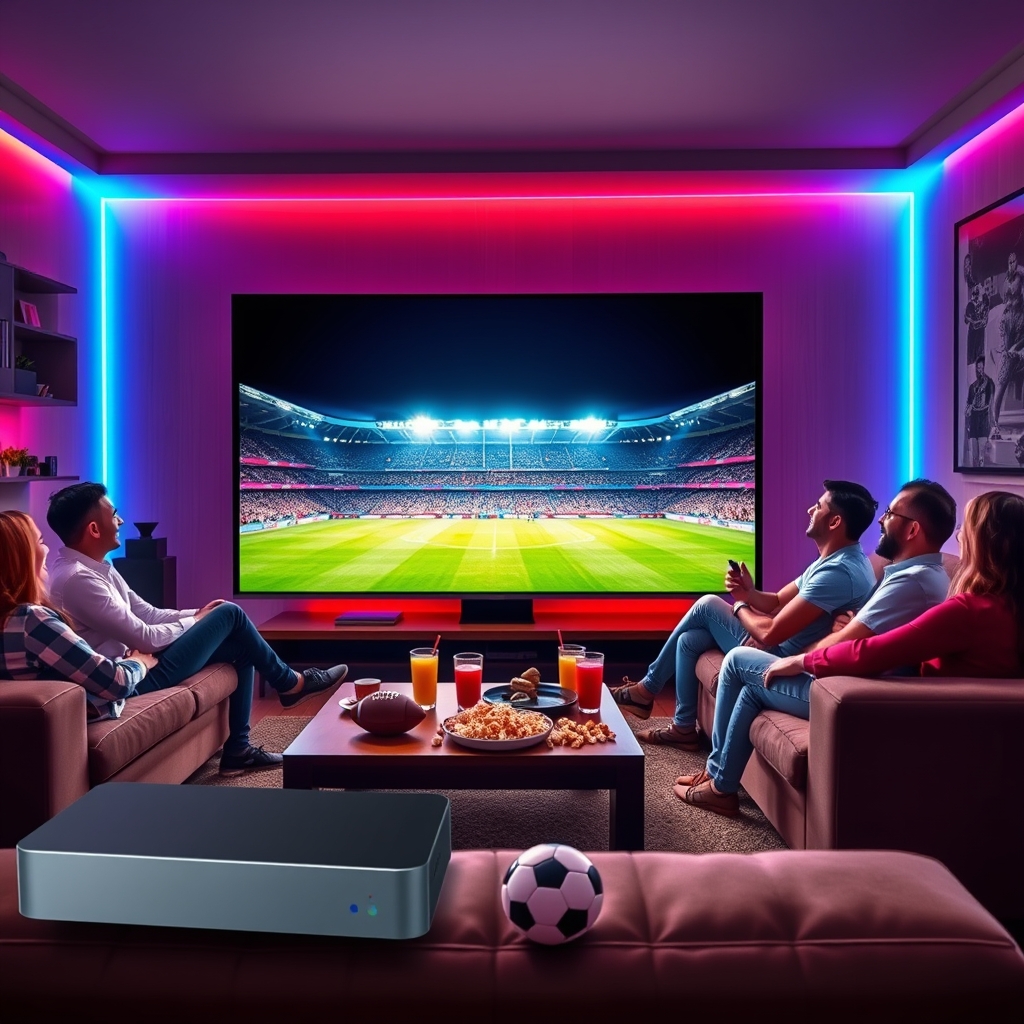
The market for IPTV encoder box solutions is diverse, offering options tailored to various needs and budgets. Understanding the different types can help you make an informed decision. One primary distinction is between hardware and software encoders. Hardware IPTV encoder box units are dedicated devices designed solely for encoding. They offer superior performance, reliability, and lower latency due to their specialized processors and optimized firmware. These are often preferred for professional broadcasting and critical live streaming applications.
Software encoders, on the other hand, run on general-purpose computers. While they offer flexibility and can be more cost-effective for smaller operations, their performance is dependent on the host computer’s specifications. They are often used for desktop streaming, gaming, and basic content creation. Hybrid solutions, which combine specialized hardware cards within a server, also exist, offering a balance of performance and flexibility.
Another categorization relates to portability and form factor. Rack-mount IPTV encoder box units are designed for installation in server racks, common in data centers and broadcast facilities. These are built for continuous operation and often feature redundant power supplies and advanced cooling. Desktop or standalone encoders are more compact and suitable for smaller studios or on-location streaming. Finally, portable or battery-powered encoders are designed for extreme mobility, often used for field reporting or event coverage where power sources are limited.
Specialized encoders also cater to specific niches. For instance, some IPTV encoder box units are optimized for ultra-low latency applications, crucial for interactive events or remote control scenarios. Others might focus on multi-channel encoding, allowing a single device to process multiple video inputs simultaneously. Understanding these variations helps in pinpointing the most suitable IPTV encoder box for your unique requirements. Explore our channel offerings at iptvbaba.com/channels to see how different encoder types can support diverse content.
Setting Up Your IPTV Encoder Box for Optimal Performance
Proper setup of your IPTV encoder box is paramount for achieving high-quality, stable streams. The first step involves connecting your video and audio sources correctly. Ensure you use high-quality cables (e.g., HDMI 2.0 or SDI cables for professional setups) to minimize signal degradation. Incorrect cabling can lead to artifacts, dropped frames, or audio sync issues, regardless of how good your IPTV encoder box is.
Next, configure the network settings of your IPTV encoder box. Assign a static IP address or ensure it obtains an IP address correctly via DHCP. It’s crucial to ensure the encoder has a stable and sufficient internet connection for outgoing streams. For live streaming, a dedicated, wired Ethernet connection is always recommended over Wi-Fi to prevent bandwidth fluctuations and packet loss. Bandwidth requirements will vary based on resolution, bitrate, and codec used. For example, a 1080p H.264 stream at 5 Mbps requires a stable upstream connection of at least that much, with some headroom.
Codec and bitrate settings are critical. Start with recommended settings for your target platform (e.g., YouTube, Twitch, a private CDN) and then fine-tune. Experiment with different bitrates to find the sweet spot between video quality and bandwidth consumption. Higher bitrates generally mean better quality but require more bandwidth. Ensure the resolution and frame rate settings match your input source and desired output. Most IPTV encoder box units allow for scaling and frame rate conversion, but it’s best to match as closely as possible to reduce processing load.
Finally, configure the streaming protocols and destinations. Input the server URL and stream key provided by your streaming platform. If using adaptive bitrate streaming, ensure all necessary profiles are configured within the IPTV encoder box. Regular monitoring of your stream’s health through the encoder’s interface or your streaming platform’s dashboard is essential. This allows you to identify and troubleshoot issues like dropped frames, audio problems, or network disconnections proactively. For pricing information on various IPTV services, visit iptvbaba.com/pricing.
Advanced Applications and Future Trends for IPTV Encoder Box Technology in 2026
As we look towards 2026, the applications and capabilities of the IPTV encoder box are expanding rapidly. Beyond traditional broadcasting, these devices are finding their way into new and exciting domains. One significant area is remote production. With advancements in low-latency encoding and reliable transport protocols like SRT, an IPTV encoder box can enable broadcasters to produce live content with remote camera operators, commentators, and even control rooms. This drastically reduces the need for large on-site crews and expensive outside broadcast (OB) vans.
Another burgeoning application is in the realm of virtual and augmented reality (VR/AR) content. High-resolution 360-degree video requires immense processing power and efficient encoding. Specialized IPTV encoder box units are being developed to handle these complex formats, paving the way for immersive live experiences. As VR/AR becomes more mainstream, the demand for encoders capable of delivering such content will only grow.
The integration of AI and machine learning (ML) within the IPTV encoder box is also a significant trend. AI can be used for intelligent content analysis, automatically optimizing encoding parameters based on the scene complexity, leading to even greater compression efficiency without sacrificing quality. ML algorithms can also enhance video quality, perform noise reduction, and even automate tasks like ad insertion or content moderation during live streams. This intelligent encoding promises to revolutionize stream quality and operational efficiency.
Furthermore, edge computing and 5G connectivity are set to transform how IPTV encoder box devices operate. By deploying encoders closer to the content source (at the “edge” of the network), latency can be minimized, and bandwidth can be utilized more efficiently. Combined with the high bandwidth and low latency of 5G, this opens up possibilities for truly mobile, high-quality live streaming from virtually anywhere. The future of the IPTV encoder box is bright, promising more intelligent, efficient, and versatile solutions for content delivery.
Choosing the Right IPTV Encoder Box for Your Needs
Selecting the ideal IPTV encoder box requires a careful assessment of your specific requirements and budget. Start by defining your primary use case. Are you a professional broadcaster needing uncompromised quality and reliability, a content creator looking for an affordable solution for live streaming, or an enterprise needing to distribute internal communications? Each scenario will dictate different priorities for your IPTV encoder box.
Consider your input sources. Do you primarily use HDMI cameras, professional SDI equipment, or perhaps older analog sources? Ensure the IPTV encoder box you choose has the necessary input connectors. Also, think about the desired output quality. If 4K streaming is a must, then HEVC support is non-negotiable. If you’re targeting a wide range of devices, adaptive bitrate streaming capabilities will be crucial for a good user experience across varying network conditions.
Budget is, of course, a significant factor. IPTV encoder box units range from a few hundred dollars for basic consumer-grade devices to tens of thousands for professional broadcast-grade solutions. Balance your feature requirements with what you can realistically afford. Sometimes, investing a bit more upfront in a more capable encoder can save you headaches and upgrade costs down the line. Remember to factor in ongoing costs like bandwidth and platform subscriptions.
Finally, research different brands and read reviews. Look for manufacturers with a reputation for reliability, good customer support, and regular firmware updates. A well-supported IPTV encoder box will provide long-term value and ensure compatibility with evolving streaming standards. Don’t hesitate to contact vendors, explain your needs, and ask for recommendations or even demos. Making an informed decision now will ensure your streaming operations run smoothly for years to come. For specific device compatibility, check out iptvbaba.com/devices.
FAQ Section
What is an IPTV encoder box?
An IPTV encoder box is a hardware or software device that converts audio and video signals from various sources (like cameras, media players, or computers) into a digital stream format suitable for transmission over an IP network, enabling live or on-demand video delivery via the internet.
What are the main types of inputs supported by an IPTV encoder box?
Common inputs include HDMI for consumer electronics, SDI for professional broadcast equipment, and sometimes composite or component video for older analog sources. Some advanced encoders also support IP inputs.
Why is H.265 (HEVC) important for an IPTV encoder box?
H.265 (HEVC) offers significantly better compression efficiency than its predecessor, H.264. This means it can deliver the same video quality at roughly half the bitrate, or higher quality at the same bitrate, which is crucial for 4K streaming and conserving bandwidth.
Can an IPTV encoder box stream to multiple platforms simultaneously?
Yes, many modern IPTV encoder box units support multi-destination streaming, allowing you to send your encoded stream to several platforms (e.g., YouTube, Facebook Live, and a private CDN) concurrently using different protocols.
What is adaptive bitrate streaming (ABR) and why is it important for an IPTV encoder box?
ABR allows an IPTV encoder box to generate multiple versions of the same video stream at different resolutions and bitrates. Playback devices can then automatically switch between these versions based on the user’s internet connection speed, ensuring the best possible viewing experience without buffering.
Related IPTV Services
You may also visit the following websites for similar services: